
Acetazolamide (Diamox)
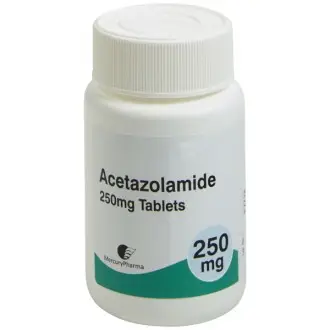
Images for illustrative purposes only
Acetazolamide 250mg tablets treat altitude sickness, making them suitable for travellers visiting high altitudes. The medicine alone will not fully alleviate the condition, so you may have to take other measures at the same time.
Acetazolamide 250mg tablets work by inhibiting an enzyme called carbonic anhydrase from functioning efficiently, which eases symptoms of altitude sickness such as nausea, vomiting, and imbalance. It's suitable for anyone aged 12 years and above, and each tablet contains the active substance - 250mg of Acetazolamide.
While it's a commonly prescribed medicine for fluid retention (edema) and certain types of seizures from epilepsy, it's prescribed off-label for altitude sickness, too.
- Acetazolamide 250mg tablets treat altitude sickness
- Most effective when used with other remedies
- Contains the active substance 250mg of acetazolamide
* Some options are not available with your selection
* Select options above to enable
Acetazolamide (Diamox)
Strength: 250mg
Pack Size: 112
Looking for Next Day delivery?
Order before 15:30 for next day delivery on working days
Buy Acetazolamide Online
Acetazolamide is a medication that can help prevent and relieve symptoms of altitude sickness by speeding up the acclimatisation process. It causes the body to think it has excess carbon dioxide, which it tries to get rid of through deeper and more regular breathing.
In doing so, the body increases the amount of oxygen in the blood, which helps reduce the symptoms of altitude sickness.
Please note:
- Diamox (Acetazolamide 250mg tablets) is supplied as an 'off-label' medicine. Click here for further information
- Before proceeding with a consultation, you must read the altitude sickness/Acetazolamide medical information. Click here for further information
When to Use Acetazolamide Tablets?
Acetazolamide is often used to prevent or treat acute mountain sickness, speeding up acclimatisation.
Many people take it when ascending to an altitude exceeding 10,000 feet to prevent prophylaxis. If you're using it as a preventative measure, you should take the medicine up to 48 hours before your ascent, giving it time to work.
However, Acetazolamide is also beneficial for treating mild to moderate cases of AMS. It can speed up the recovery process, preventing nausea and headaches.
Acetazolamide (Diamox) Age Restrictions
In most cases, Acetazolamide Tablets are suitable for adults and children over 12 years old. While you may give it to younger children, it depends on their age and size. Please always seek advice from a healthcare professional before administering it to a child under 12.
How to Use Acetazolamide Tablets for High Altitude Sickness?
When using Acetazolamide, please follow your doctor's instructions as the dosages differ for preventing and treating acute mountain sickness.
Prevention Dose
The general dose for adults and children over 12 is 125mg, which you'll take every 12 hours. Please begin taking the medication between 24 and 48 hours before reaching an altitude of 2,500 and 3,000 metres.
For example, if you're planning to visit a high-altitude city on Tuesday, it's best to begin your treatment on Sunday or Monday.
Once you begin your descent or are used to the higher altitude, you can stop the treatment.
Treatment Dose
The treatment dose is often higher than the preventative dose, as it reduces your symptoms. In most cases, you'll take 250mg twice daily.
Please note that if your symptoms worsen or the medication doesn't work, it's essential to descend to a lower altitude as soon as possible.
Key Instructions:
- If you're prone to an upset stomach or are experiencing nausea, it's best to take the tablet with food.
- Always stay hydrated when using Acetazolamide, as it can prevent dehydration.
When to Avoid Using Acetazolamide?
While Acetazolamide is usually safe, there may be some cases when you should avoid it, including:
- Allergies: As a sulphonamide derivative, the medication might not be suitable if you're allergic to the substance.
- Kidney and Liver Disease: Individuals with severe kidney problems, kidney stones, or liver issues should avoid using Acetazolamide, as it can cause impaired function and hepatic encephalopathy - especially if you have severe liver problems.
- Acidosis: The medication creates a mild metabolic acidosis, so it's usually unsuitable if you already have the condition.
- Electrolyte Imbalances: People prone to electrolyte imbalances and dehydration should also avoid using the medicine.
- Adrenal Gland Failure: Taking the medicine with conditions like Addison's Disease could result in impaired adrenal gland function.
Acetazolamide (Diamox) Precautions:
- Pregnancy: Most people should avoid using Acetazolamide during the first trimester of pregnancy. Using it during the later stages of pregnancy depends on your doctor's advice.
- High Blood Pressure: If you're using high blood pressure medicines, please speak to your doctor before using the medicine.
- High-Dose Aspirin: Taking AMS medicine with high-dose aspirin can potentially result in toxicity.
- Lung Diseases: People with lung diseases like emphysema or COPD may experience worsening symptoms.
- Diabetes: Acetazolamide can also interfere with your blood sugar. While you can use it with diabetes, you should monitor your levels.
- Other Medicines: Individuals taking medications like Lithium, Warfarin, diabetes medicines, and prescription-only medicine should tell their doctor before using altitude sickness treatment.
Acetazolamide (Diamox) Ingredients
The primary ingredient is Acetazolamide, a carbonic anhydrase inhibitor with therapeutic effects. Inactive ingredients include:
- Binders and Fillers: Including corn starch, lactose monohydrate, povidone, and glycerin.
- Sodium Starch Glycolate
- Lubricants: Including talc and Magnesium Stearate
Side Effects of Acetazolamide
There is always a risk of side effects with all medications. Some of these can be quite mild and can subside over time.
Others are more serious and should be reported to your GP right away if you experience any side effects.
Please contact a member of our team or your doctor immediately if you are concerned about any potential allergic reactions that may occur when taking Acetazolamide 250mg.
Side effects may include:
- Nausea
- Tiredness or irritability
- Headaches and dizziness
- Tingling or numbness in fingers and toes
- Increased thirst
There are some rare yet serious side effects associated with the use of Acetazolamide 250mg. Contact a doctor immediately if you experience any of the following:
- Blood in urine
- Seizures or fits
- Sore throat or fever
- Bruising and unexplained bleeding
- Pain in the lower back
- Pale stools
Why does altitude sickness occur?
Altitude sickness happens when the body can't get enough oxygen when you ascend to high altitudes. It occurs as the oxygen pressure drops, which means that your body doesn't have enough available oxygen.
This can impact normal functions, resulting in nausea, fatigue, a slightly increased respiratory rate, and headaches. However, as you begin to acclimatise to different altitudes, the symptoms often decrease.
Can I keep climbing if I take Acetazolamide 250mg tablets?
You should stop climbing until the symptoms have completely resolved, which in most cases will be within 48 hours. Acetazolamide 250mg tablets will not protect you against your symptoms worsening if you continue to ascend.
Will Acetazolamide 250mg tablets protect me from altitude sickness if I take them during rapid changes in altitude?
Acetazolamide 250mg tablets will help reduce the risk of altitude sickness on rapid ascents, but it is not a substitute for following proper protocols and correct precautions. Rapid ascents carry serious risks, and Acetazolamide does not remove them. In fact, it can make climbers feel safe enough to push through their illness, leading to much more severe conditions.
Can Acetazolamide 250mg tablets mask a severe underlying condition, leading to complications?
Acetazolamide does not mask serious underlying symptoms; the medication treats the cause, not the symptoms. Acetazolamide increases the rate of acclimatisation. As acclimatisation occurs, the symptoms will resolve. Acetazolamide does not mask anything; if you are still unwell, your symptoms will persist despite the medication.
Can I take Acetazolamide tablets and still drink alcohol?
You can drink alcohol whilst taking Acetazolamide tablets, but it is not advisable if you are experiencing the symptoms of altitude sickness. Alcohol can make the symptoms of altitude sickness worse.
Can I drive whilst I am taking Acetazolamide tablets?
Yes, you can drive and take Acetazolamide tablets; however, if you notice any adverse reactions or side effects, you should stop taking the medication.
When should I start taking Acetazolamide to prevent acute mountain sickness?
You should begin using Acetazolamide 1–2 days before ascending to high altitude regions. The medication can begin to support the acclimatisation process early on.
How long can I take Acetazolamide 250mg tablets for altitude prevention?
It depends on how long you plan to spend at a particular altitude. For example, if your ascent will take a few days, you can continue using it during the ascent.
Do I still need to descend if I take Acetazolamide?
Yes, high altitude medicine specialists will always tell you that you should begin your descent when your symptoms worsen. It's the best way to reduce altitude-related sickness.
Can I take Acetazolamide with other altitude medications?
In most cases, you can. However, some medications may result in interactions, so you should always seek professional advice before combining medicines.
Should I buy Acetazolamide whilst abroad?
While Acetazolamide is a commonly prescribed medicine in many countries, it's important to remember that not all medicines are made equal. Purchasing medicines whilst abroad might seem convenient, but you may not use reputable pharmacies or online doctor services.
With a team of registered pharmacists, we avoid supplying poor-quality medicines, and each of our treatments undergoes extensive checks.
Warnings
Warning: May make you sleepy. If this happens, do not drive or use tools or machines
Leaflets
Acetazolamide Patient Information Leaflet
Before taking any medicines such as Acetazolamide 250mg, regardless of whether they are over-the-counter or prescription-only, it is essential always to read the Patient Information Leaflet.
If you have any questions or require advice, please get in touch with our registered pharmacists. We're always happy to help.

